
Norwood Resident Lookup Records
Different records serve different purposes in a Norwood resident lookup. Voter rolls confirm a registration. The state tool does so only when the supplied name, date of birth, and residential ZIP all agree. The Norwood assessment card points to a tax owner, a situs address, and a mailing-address clue. It cannot name every household member, though. Land records show a transfer party's role. Court and probate indexes are only leads. Each demands a venue, a date, and an identity check. Directories and yearbooks offer dated context rather than current proof.
| Record | What It Can Confirm | Custodian or Route | Access Path |
|---|---|---|---|
| Assessment card | Tax owner, situs and mailing-address clues | Norwood FY2026 assessment database | Online property card |
| Voter status | A registration result at supplied identity details | Massachusetts Voter Registration Search | Individual lookup; protected records excluded |
| Land record | Grantor or grantee role and property transfer | Norfolk online research | Online index and Registry research routes |
| Court or probate docket | Public party, case, event, and disposition lead | MassCourts | Portal, clerk, kiosk, or file where permitted |
| Vital record | Event evidence for an eligible requester | RVRS, Town Clerk, or Archives | Certificate, archive image, or local request |
| Directory or yearbook | A dated school, address, or community appearance | Morrill Memorial Library archive | Library and local-history research |
Let what is already known pick the first check. Use the voter tool only with exact identity details. The assessor fits questions of ownership rather than occupancy. For a historic name or address, start with a directory, newspaper, or yearbook before following the Registry and probate trail. A company, trust, estate, or mailing address can interrupt the name trail at any point. Label each finding precisely instead of treating it as a broad statement of residence.
Norwood Voter Lookup Inputs
The Massachusetts voter-registration search is an individual status tool, not a browsable Norwood resident list. It demands exact first and last names. A full date of birth completes part of the entry. A five-digit residential ZIP and an acknowledgment checkbox round it out. A result can show registration information such as name, address, and party enrollment. It can also show status, precinct, and election details. No result does not mean no Norwood connection. Official guidance says to try a previous ZIP. A nonmatch is never proof that the person lacks a Norwood connection.
| Search input | Requirement | Why it matters |
|---|---|---|
| First and last name | Exact text fields | Use a former surname separately when appropriate. |
| Date of birth | Month, day, and year | The tool requires all three selections. |
| Residential ZIP | Five digits | A former ZIP may be tried after a nonmatch. |
| Acknowledgment | Checkbox | Required before the public search. |
Secretary guidance separates public local-list fields from private information. Public fields can include names, addresses, party, dates of birth, active or inactive status, voter ID, elections voted, prior changes, mailing address, and registration or inactivity dates. Phone and email stay out. So do veteran status, permanent-absentee status, confidential records, and any voter who is a minor. For a dated municipal list, the Norwood Town Clerk can be asked about inspection, the election represented, public fields, and cost. Ask about inspection, public fields, and cost. The election or date the list represents also matters.
MassCourts Checks for Norwood Names
A court result is a lead, not identity proof. The MassCourts public search sits behind a CAPTCHA. It must be completed before any search begins. Official instructions describe Court Department, Court Division, Court Location, Number of Results, and separate Name, Case Type, Case Number, and Ticket or Citation Number routes. Dedham District Court is a key local venue. Norfolk Superior Court, Norfolk Probate and Family Court, Dedham Juvenile Court, or federal PACER may fit a different case type. Two matching names are not automatically one person. Search a middle initial, a former name, a known court location, and an approximate date before deciding.
The MassCourts public-search controls and access guidance show the portal used for a Norwood resident lookup.
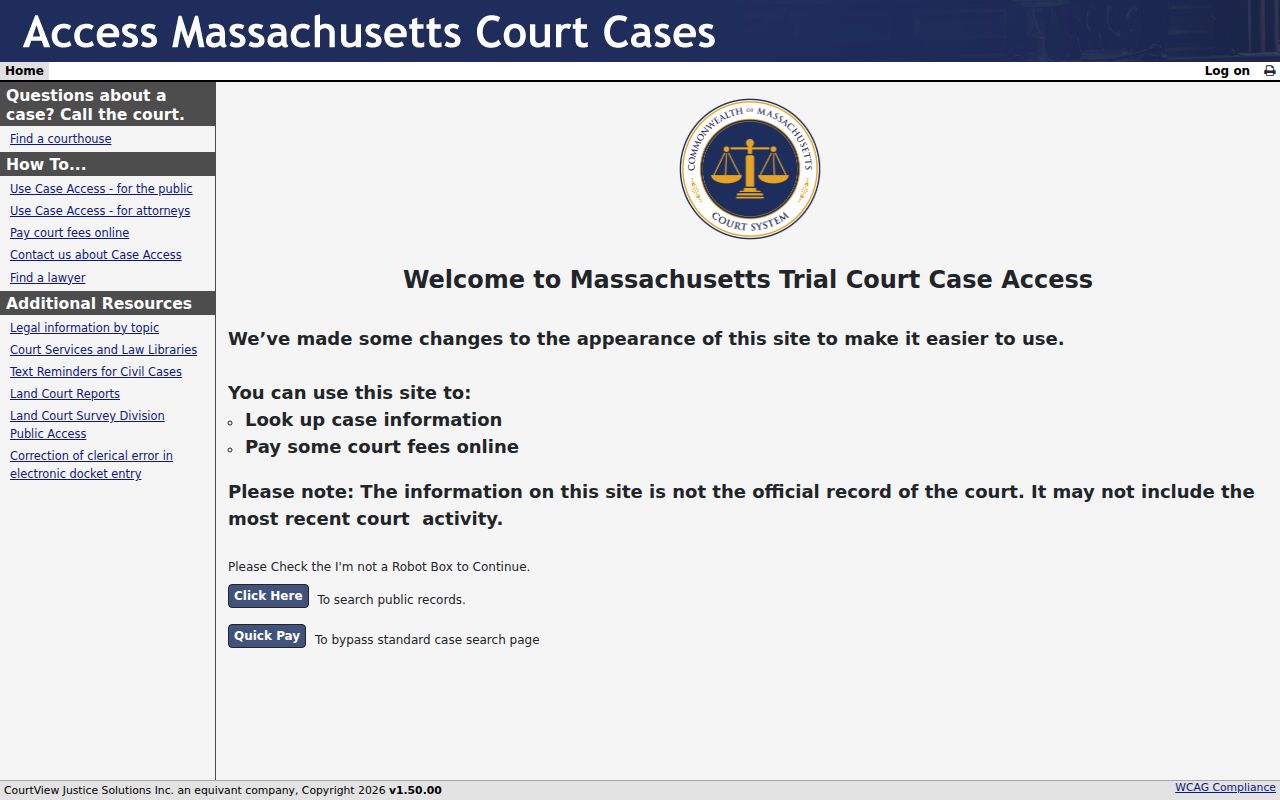
Use the screen to pick a court route. Then record the details needed to check a matching docket at the proper clerk office.
Ordinary public results may contain the following inventory. Fields vary with court department, case type, and privacy rules.
- Party name and role, where displayed.
- Court department, division, and location.
- Case number, case type, and filing or open date.
- Public docket events and hearing dates.
- Charge, claim, disposition, or judgment where entered.
- A linked entry or image only where the rules allow it.
Dedham District Court sits at 631 High Street in Dedham. Listed hours are 8:30 to 4:30. Its main phone is 781-329-4777. Norfolk Superior Court is at 650 High Street in Dedham, while Norfolk Probate and Family Court is at 35 Shawmut Road in Canton. Its weekday virtual-registry hours are 8:30 to 1. Court files, kiosks, and clerk or register access remain important when an online result does not include the material needed.
Norwood Vital Record Routes
Vital material is split by event, date, and custodian. The Norwood Town Clerk is the local registrar for Norwood-held events. These include births, deaths, marriages, and marriage intentions. State custody sits with the Registry of Vital Records and Statistics, or RVRS. It covers 1936 to the present. It issues certified copies or a negative statement. The State Archives holds 1841-1935 vital records, and free FamilySearch images cover 1841-1930. Pre-1841 work belongs to the town, the churches, and archival or local-history sources. An obituary is not a certified certificate. Neither is an archive image. The RVRS certificate-order instructions show the request path for a Norwood resident lookup when an eligible person needs official event evidence.
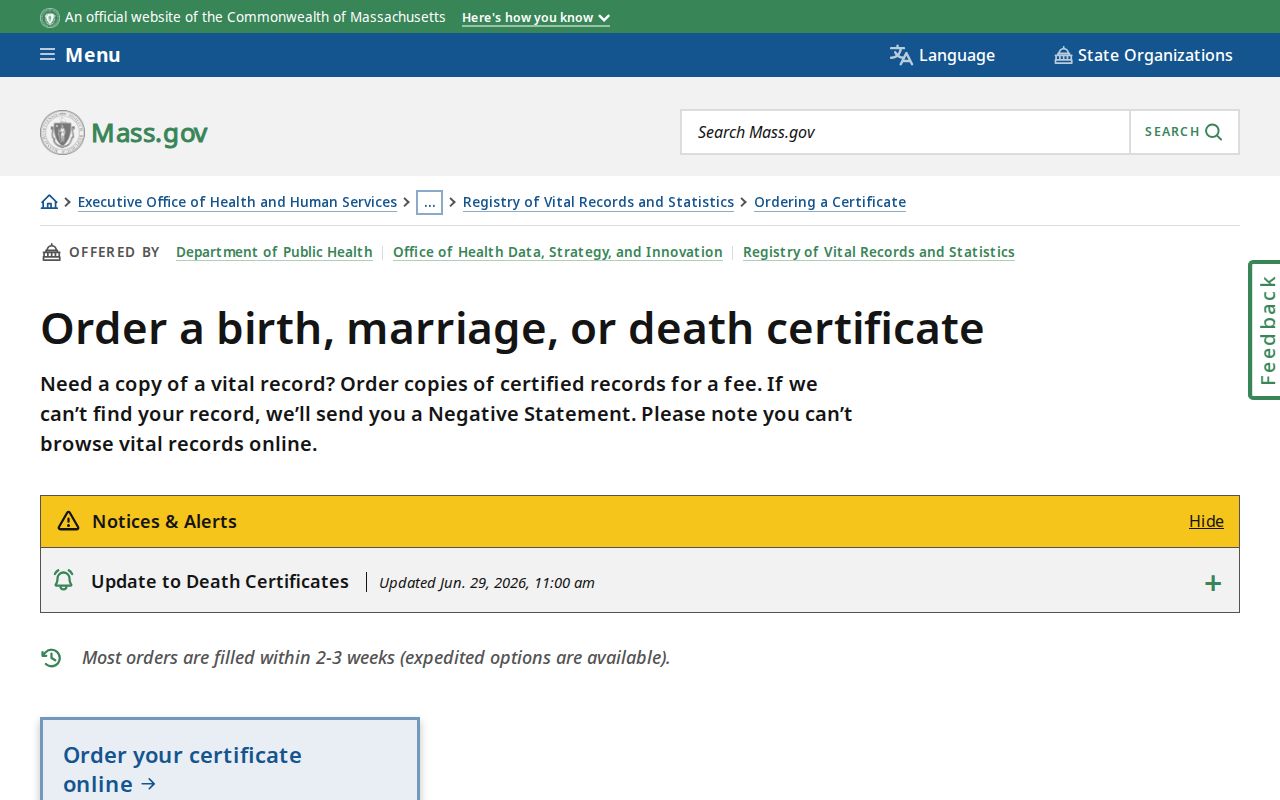
Vital record orders work differently from a residents directory search. RVRS asks for the event details first. Photo ID and proof of relationship or eligibility come in where rules require them. No open index of current records exists.
Ordering runs through four channels: online or phone via VitalChek, mail, or in-person service. The listed office is 150 Mount Vernon Street, first floor, Dorchester. The listed phone is 617-740-2600. The Norwood marriage form sends a requester to the municipality where the marriage intention was filed. Mail orders need a stamped self-addressed envelope. Archives researchers may request up to five unique images by email. Certified archival copies use a form and mail. Fees and timing differ by channel, so consult the current custodian page before ordering.
Norfolk Probate Leads for Norwood
Estate, heir, fiduciary, guardianship, conservatorship, and divorce questions belong at Norfolk Probate and Family Court. A general court search is not enough. The guidance names three search paths: name, case number, and case type. Online case data reaches about 2000. Documents or images go back to about 2009. Some material remains courthouse-only. Historic Norfolk probate indexes run from 1793 to 1929, docket and record books from 1793 to 1916, and file papers from 1793 to 1894.
Probate public-record access guidance explains the limits that shape a resident lookup.
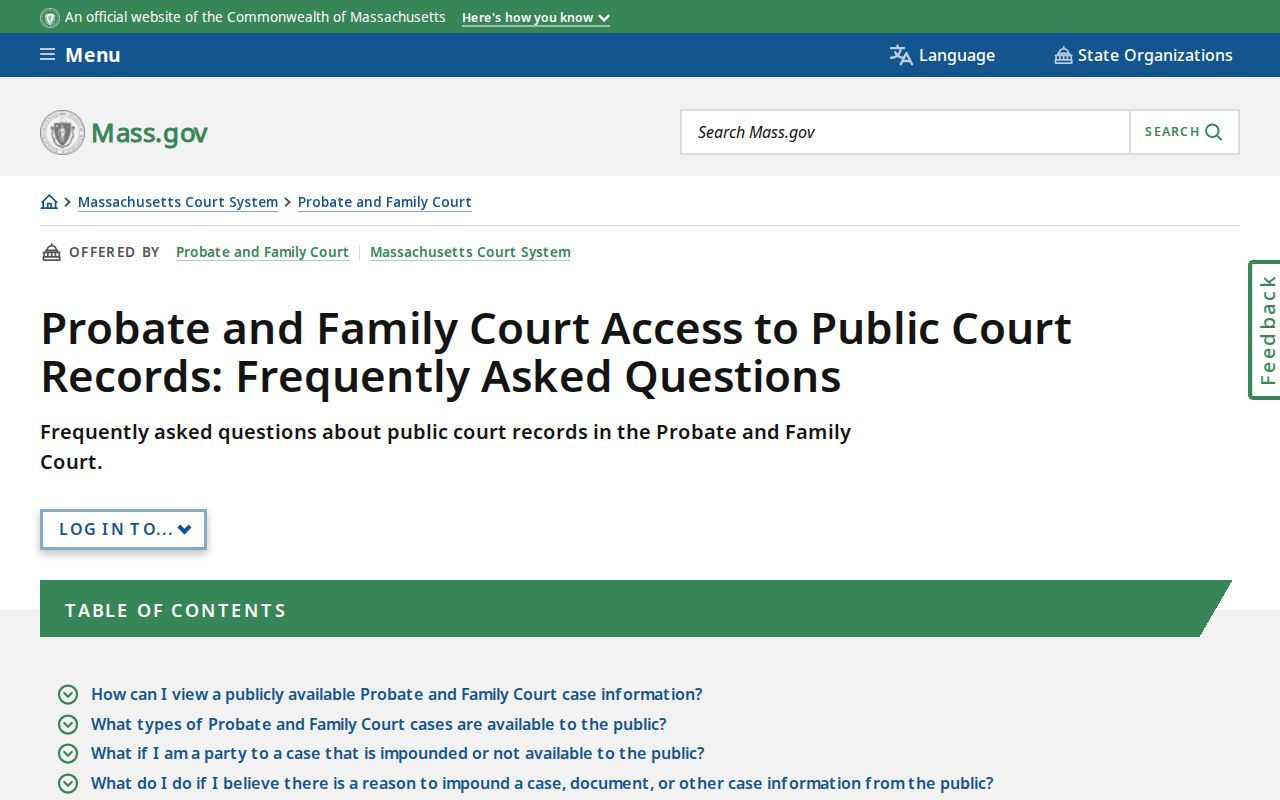
Use the index to identify a file. The register, kiosk, or permitted file access holds the record itself.
Old probate can trace a deceased Norwood resident's estate. It cannot resolve a common name alone, so pair the case with a deed role, a dated directory entry, an obituary relative, or another independent fact. Heir trails follow the same rule. Adoption, juvenile, sealed, expunged, impounded, confidential-victim, and protected-address material is not routine public search content.
Verify a Norwood Resident Record
Verification means narrowing one record to one person. Never force a match. Start with the source that offers the most specific fields. A voter result checks out only when the full name, date of birth, and ZIP are supplied. An assessment card tests recorded tax ownership. The Registry tests a dated grantor or grantee role. Court, probate, vital, directory, and newspaper results add context when their date, venue, address, or relatives agree. An estate can hold title after a death, a company can own a parcel, and an inactive voter status is not proof of departure.
- Record the exact spelling, middle initial, former surname, and known Norwood address or ZIP. Keep the search date with the result.
- Use the state voter search only if its full required fields are available, or inspect the Norwood assessment card to distinguish a tax owner from an occupant.
- Search the Norfolk Registry index by the matched name and likely date. Save the party role and book or page reference rather than calling it a residence result.
- Run MassCourts with the name variants and appropriate venue. Compare case date and role with the address, property, family, or directory evidence.
- For an event record, request the needed certified copy from the Town Clerk, RVRS, Archives, or court custodian only through the channel and eligibility rules that apply.
- Docket
- A court’s chronological case log, showing public events and entries rather than a conclusion about identity.
- Index versus image
- An index is a finding aid with fields such as a name or number. An image is the filed document or scanned record, which may be unavailable or restricted.
- Certified copy
- A copy issued by the custodian with its certification. Eligibility, payment, and delivery rules depend on the record type.
Common names need at least two independent facts that line up. A middle initial plus a deed date works. So does a known address plus a court venue. State only the narrower conclusion each source supports, such as “listed as grantor” or “registration found at the supplied ZIP,” rather than a broad current-residence claim. Skip the sweeping version.
Norwood Yearbooks and Local Clues
Historical questions call for dated local sources. Morrill Memorial Library’s digital archive points to newspapers, annual reports, yearbooks, municipal records, and genealogy links. TIOT yearbooks are the strongest former-classmate resource in Norwood. Search by year, class, or activity. Then corroborate the name with a directory, newspaper, deed, probate item, or cemetery source. Yearbook hits are still just clues. Norwood Historical Society adds assessor cards, directories, deeds, probate, newspapers, and house or family research. Its holdings stay incomplete, though.
Norwood was incorporated from South Dedham in 1872. A pre-1872 search should try South Dedham too. Older property work has another wrinkle: Norfolk Registry records and images reach back to 1793, but address indexing is strongest from 2003 forward. A surname, grantor or grantee role, book and page, legal description, and a library directory can bridge an old address that no longer searches cleanly.
Note: Historical sources establish a dated appearance, not a present location or an automatic family relationship.
Norwood Records Request Fallbacks
Sometimes no online index answers a narrow question. Use the documented access route instead of guessing. For a municipal record, the fallback is a written request under the Massachusetts Public Records Law, M.G.L. c. 66, § 10. It covers records not posted online. Describe the record, time span, format, and public fields. A records access officer generally replies within 10 business days. The reply may be production, an estimate, a denial, a clarification request, or an extension notice. Electronic delivery may be available, and state guidance covers municipal copy and time-fee rules.
Always use the custodian that owns the record. The Town Clerk handles local election material and local vital routing; the Registry handles land-record indexing or document questions; a court clerk or register handles court files. RVRS or Archives owns vital material. The library or Historical Society takes historical research. Keep the written request, the response, the source URL, the document number, and any correction request. If a lawful request is denied, state guidance provides an appeal route to the Supervisor of Records.
Norwood Resident Lookup Boundaries
Every Norwood resident lookup has edges. Massachusetts shields certain voters from ordinary lists under its confidentiality rules. The Address Confidentiality Program goes further for eligible participants. It supplies a substitute address and forwards mail on their behalf. Older records tied to the person may still exist beneath that shield, so the program is not a full erasure of history.
Courts add their own layers. Rule 1:24 of the SJC lets filings omit government identification numbers and financial-account digits. Juvenile, sealed, expunged, impounded, and adoption files stay out of name searches, along with protected-victim material. When an entry looks wrong, the fix belongs with the custodian: correct the record there, ask a court about sealing, or invoke the applicable confidentiality process. Massachusetts Sex Offender Registry Board information sits apart from all of this as a classified public-information system sometimes met during safety research.
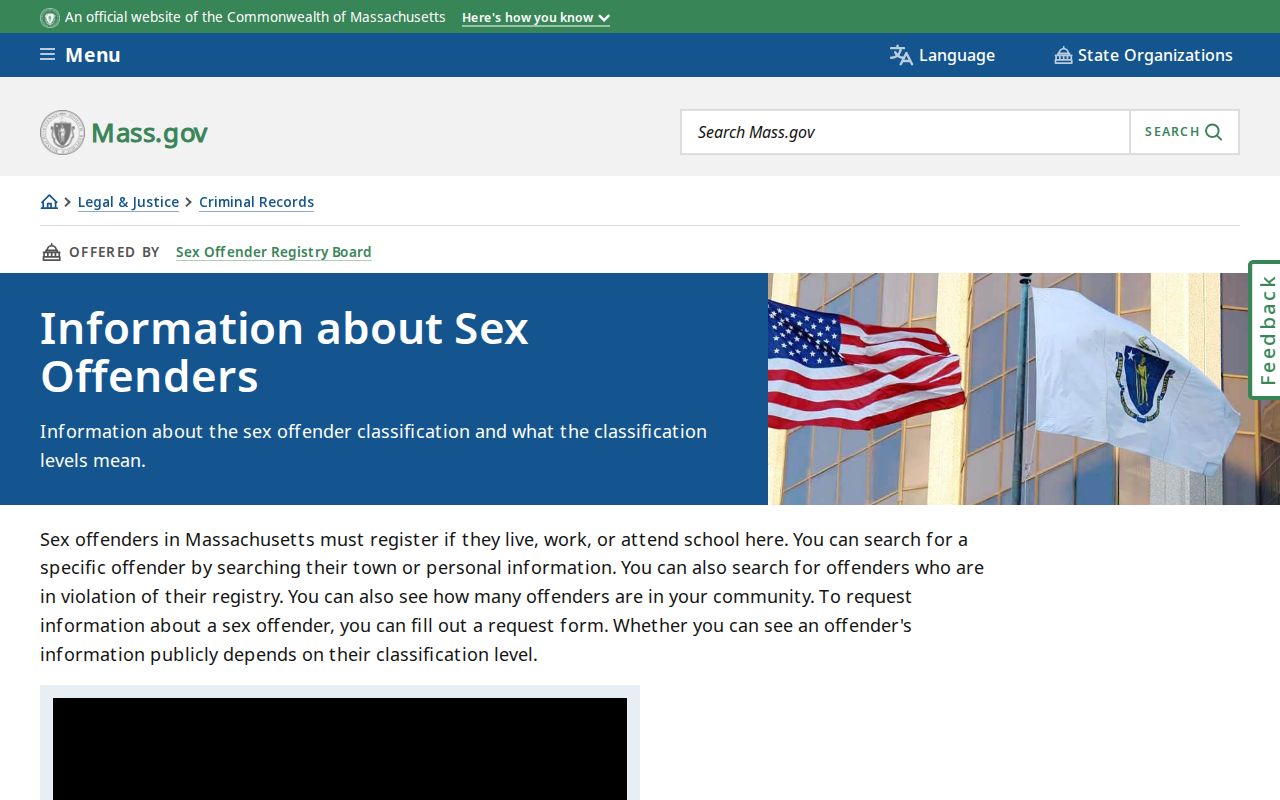
Classification and publication rules bound this resource. It is not a general Norwood resident roll. It cannot verify anyone's identity either.
Extracting protected identifiers from public records is not authorized. Nor is passing off a dated record as current fact. Corrections belong with the office that keeps the entry, whether that is the assessor, the Town Clerk or Secretary, a local registrar or RVRS, a court clerk, the Registry, or a licensing board.
Lawful use. Use Norwood resident records for personal, lawful research. Using information to stalk, harass, intimidate, impersonate, or bypass a protected address is prohibited and can violate Massachusetts law.